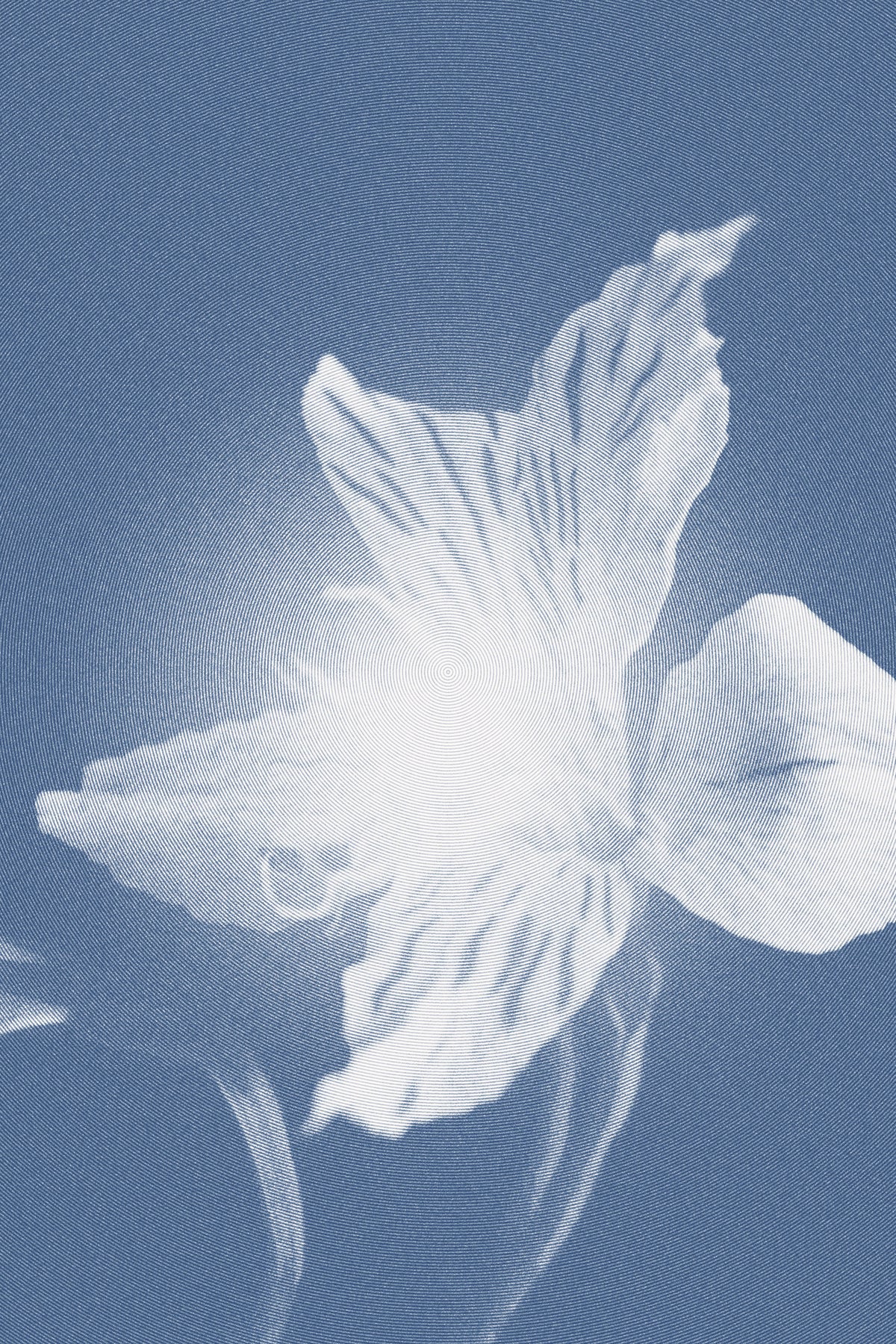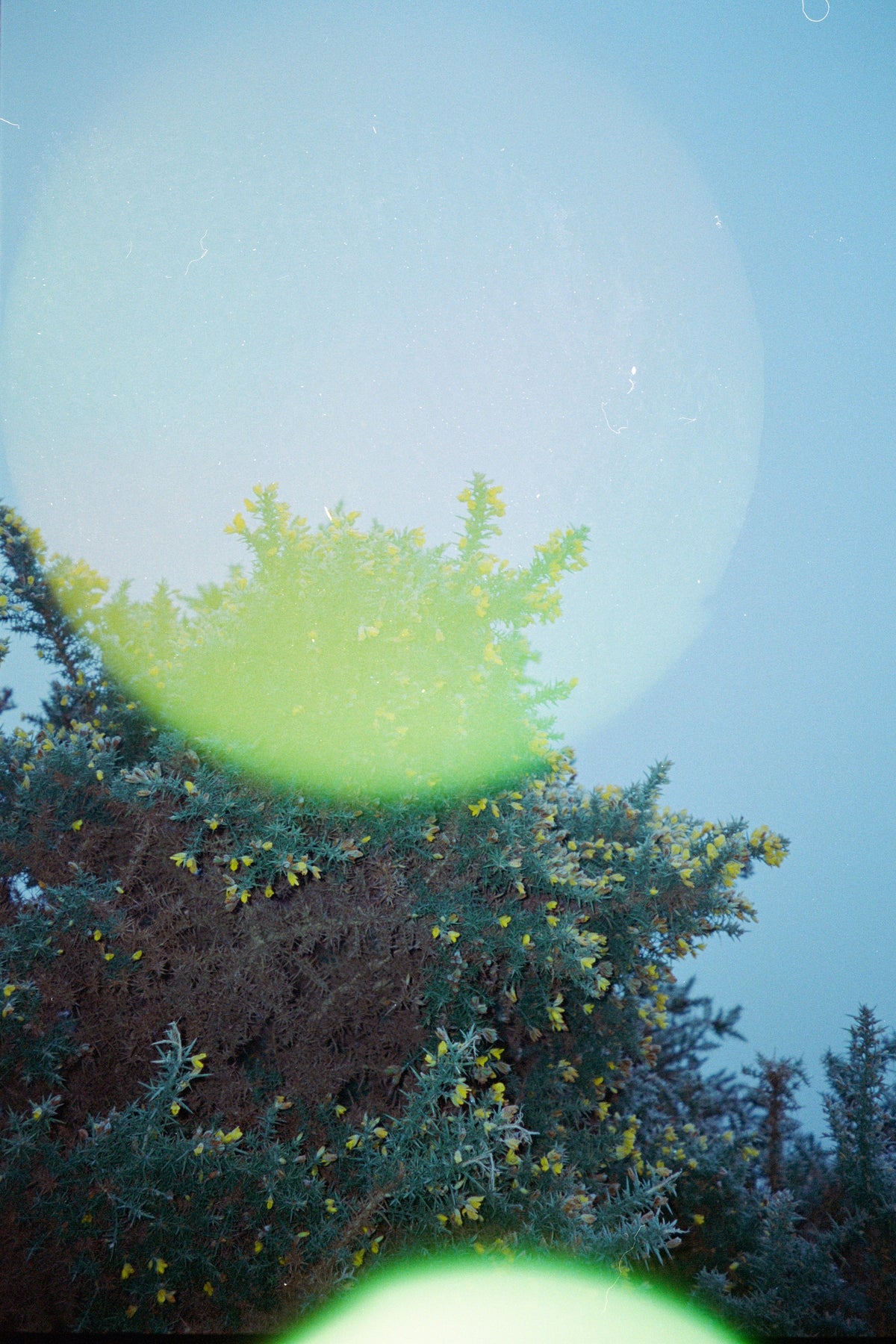

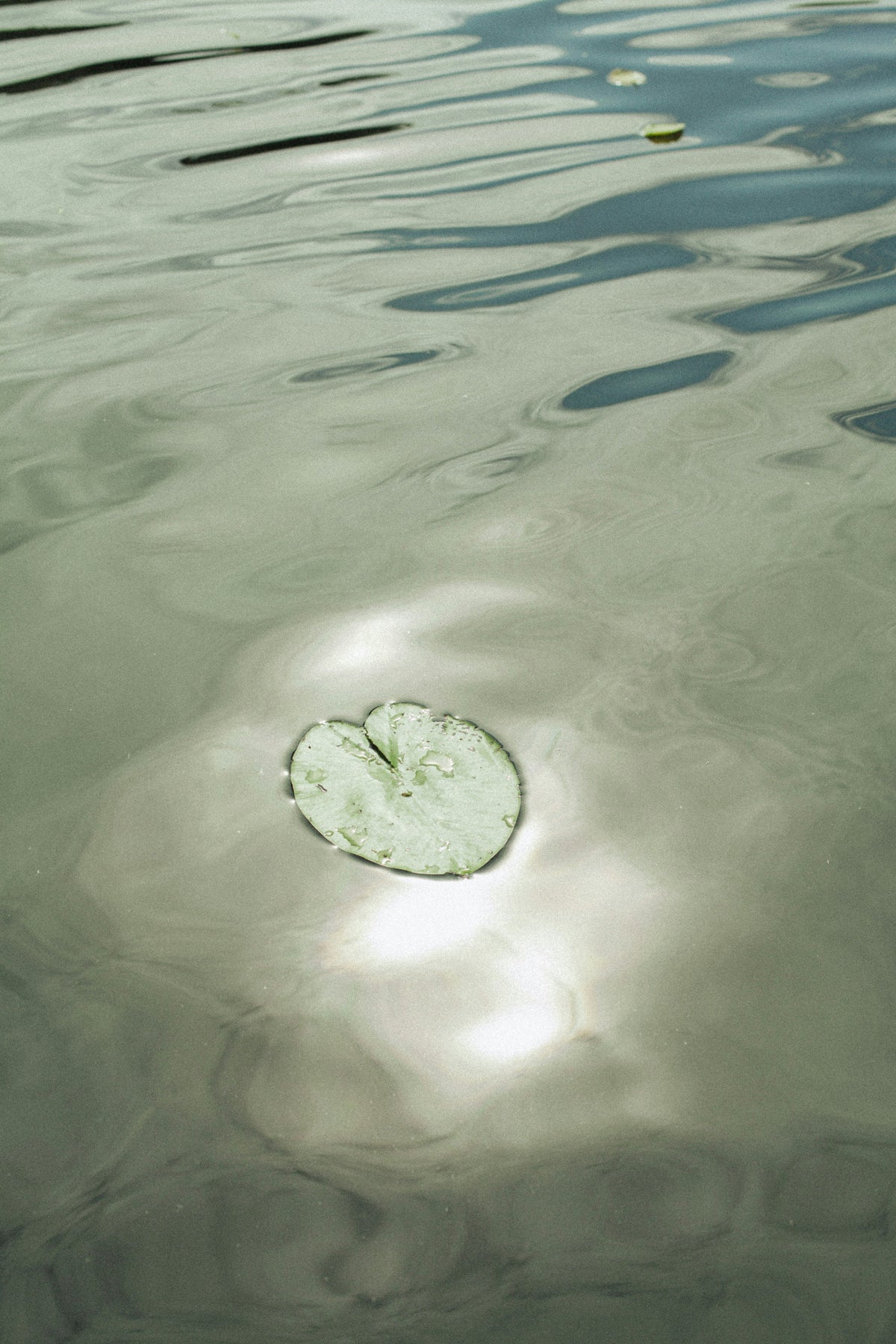
LIGHT · ELEMENTS · BIOLOGY · ECOLOGY — In conversation.
There is a connectedness to something greater hidden inside every living thing, and I find myself returning to it often.
Light meets the elements. The elements become biology. Biology, in relationship, becomes ecology. These aren't separate stages so much as a single conversation, each part speaking to the others, none of them standing alone.
Light is where so much of it begins. Not metaphorically—literally. Through photosynthesis, sunlight is transformed into the chemical energy that sustains almost all life on Earth. Carbon, oxygen, hydrogen and nitrogen become the molecules from which living systems are built. Every living cell in the body is, in this sense, the continuation of light transformed.
Biology is what happens next — how an organism takes that light and those elements and does something with them. Grows. Repairs. Reproduces. Adapts. This is the layer we're most familiar with, the one we usually mean when we say "health." But biology doesn't happen in isolation. It happens in constant conversation with everything around it.
Which brings me to ecology — the layer I think we tend to forget when we think about our own bodies. Ecology is relationship. It's how one living system interacts with another, how energy and resources move between them, how the environment shapes the organism as much as the organism shapes itself. We readily accept this framework for forests, reef systems, soil. We're slower to apply it to the body — to understand that a nervous system doesn't heal in a vacuum, that it's always responding to light, to environment, to relationship, to the quality of rest, the quality of connection, the quality of stillness available to it.
Light, elements, biology and ecology are a single relationship, each part shaping and shaped by the others — which means health was never only a biological question. It has always also been a matter of the wider ecology we live inside: the relationships, environments and rhythms shaping us from the outside in.
This is, I think, the quiet thesis behind ALOKA. Naturopathic care, done well, isn't just biological intervention. It's an attempt to support the whole conversation — to bring more light in where there's been too little, to restore access to foundational elements the body has been missing, to help the nervous system settle enough to do what it already knows how to do, and to gently attend to the wider ecology — the relationships, environments and rhythms — that either support that process or work against it.
Health, in this view, isn't a fixed state to arrive at. It's a living relationship with biology, ecology, the elements and light — an ongoing dialogue that shapes every living thing on this planet, whether we're paying attention to it or not.
Our work, much of the time, is simply to pay attention again.